pl
pl en
en de
de




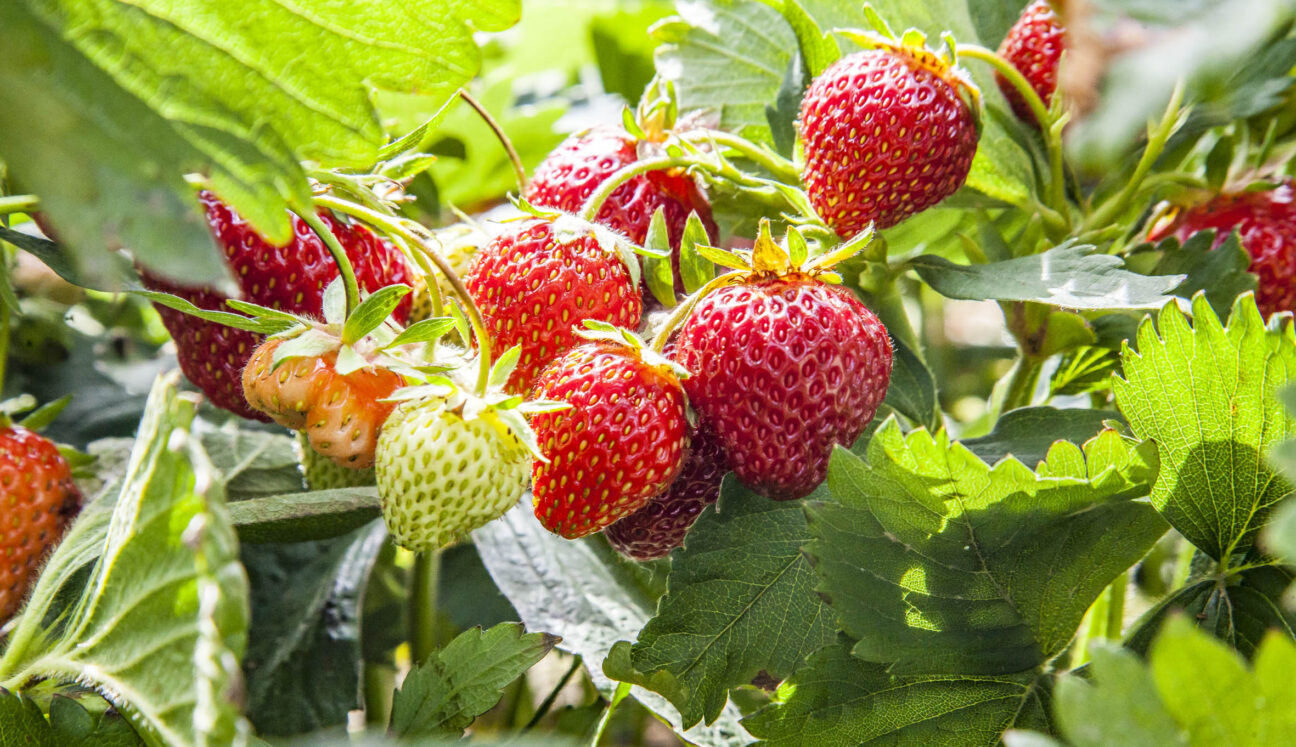
The High Quality Food specialization implies a specialization built on the traditional strong regional position of agriculture (with one of the highest productivity rates in Poland). The region has built a very strong scientific specialization on food production, with a strong scientific and research base. The specialization relies on the agri-food industry and dynamic development of local agriculture and traditional food processing based on regional raw materials and short sales chains, as well as production of food with designed functions. It converges with the pro-health needs of consumers.
Examples of elements of the High Quality Food specialization are:
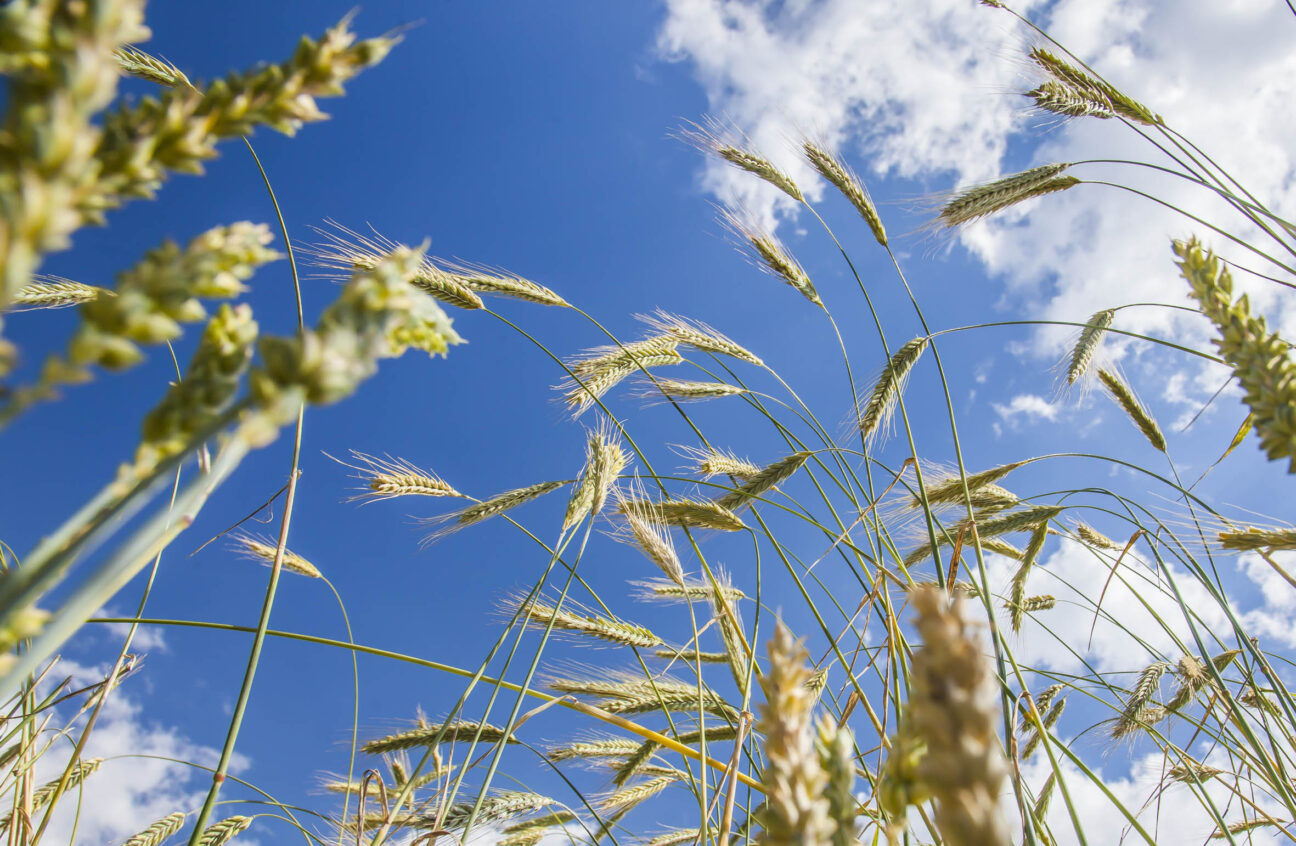
- Unprocessed food production (vegetable and fruit growing, animal products (milk, eggs, etc.), cereal growing, seed and grass production);
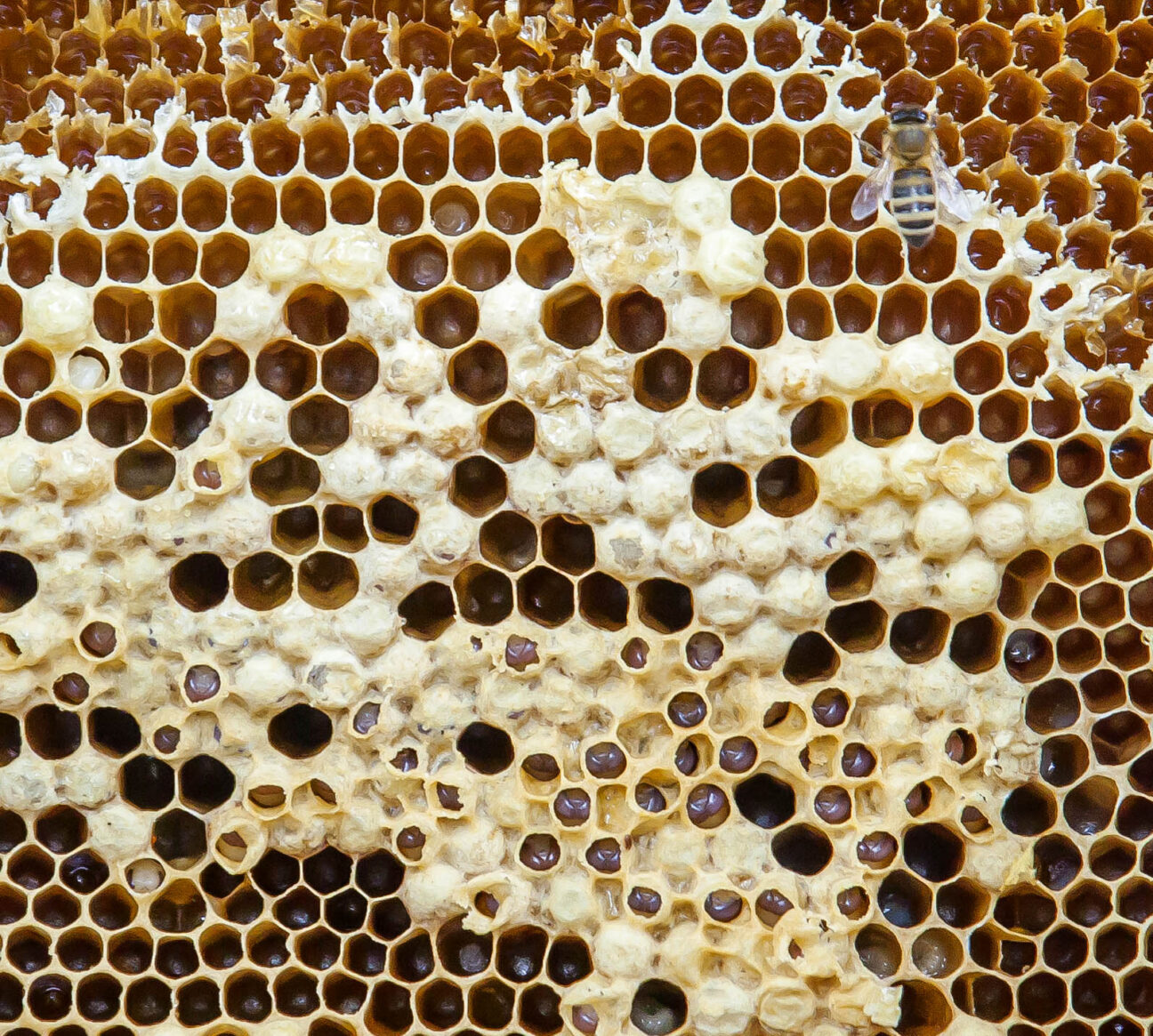
- Farming of fish and animals (breeding of fish and other aquatic organisms, breeding of cattle, poultry, beekeeping);
- Agricultural waste treatment and disposal (animal waste utilization, heat energy recovery from agricultural waste (bio-gas plants));
- Production and services for animal husbandry (production of animal feed and food);
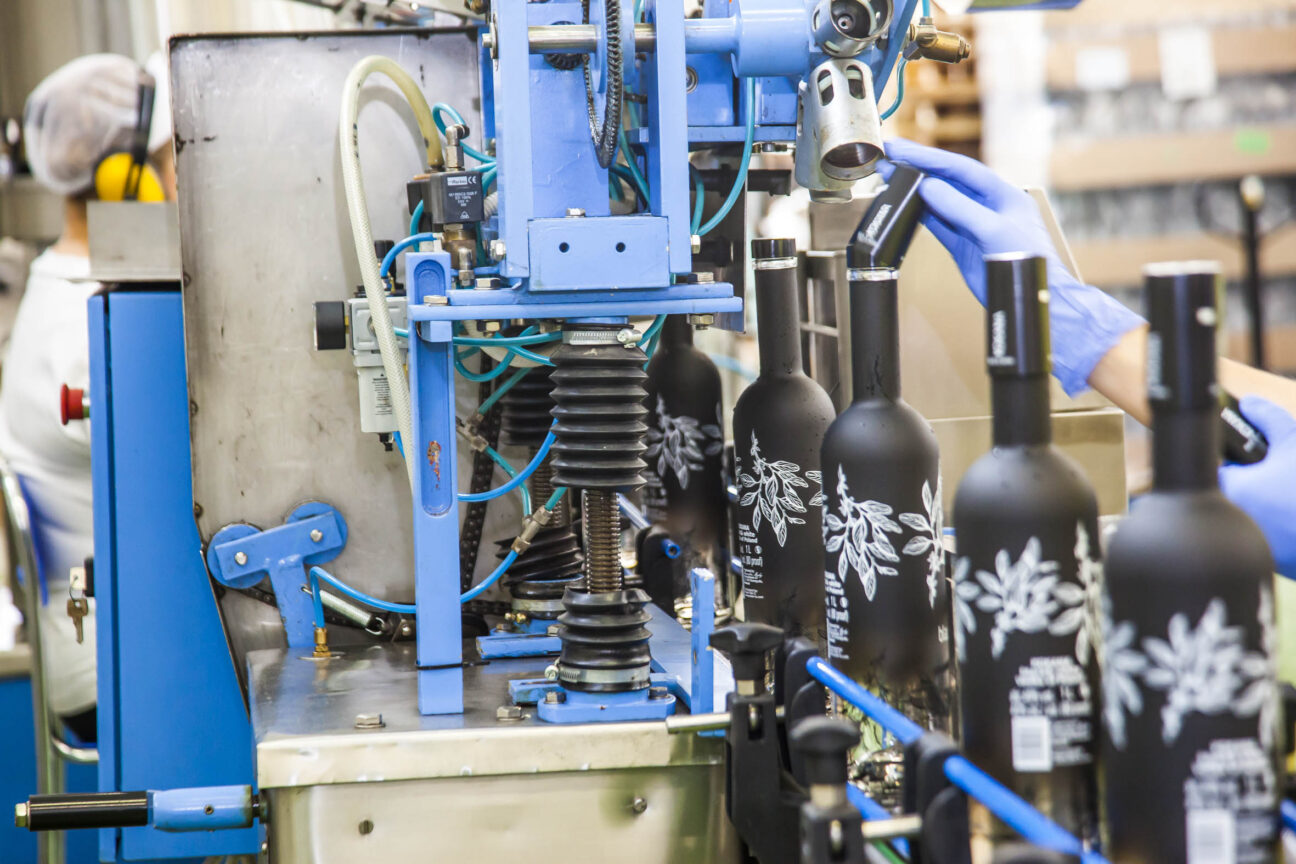
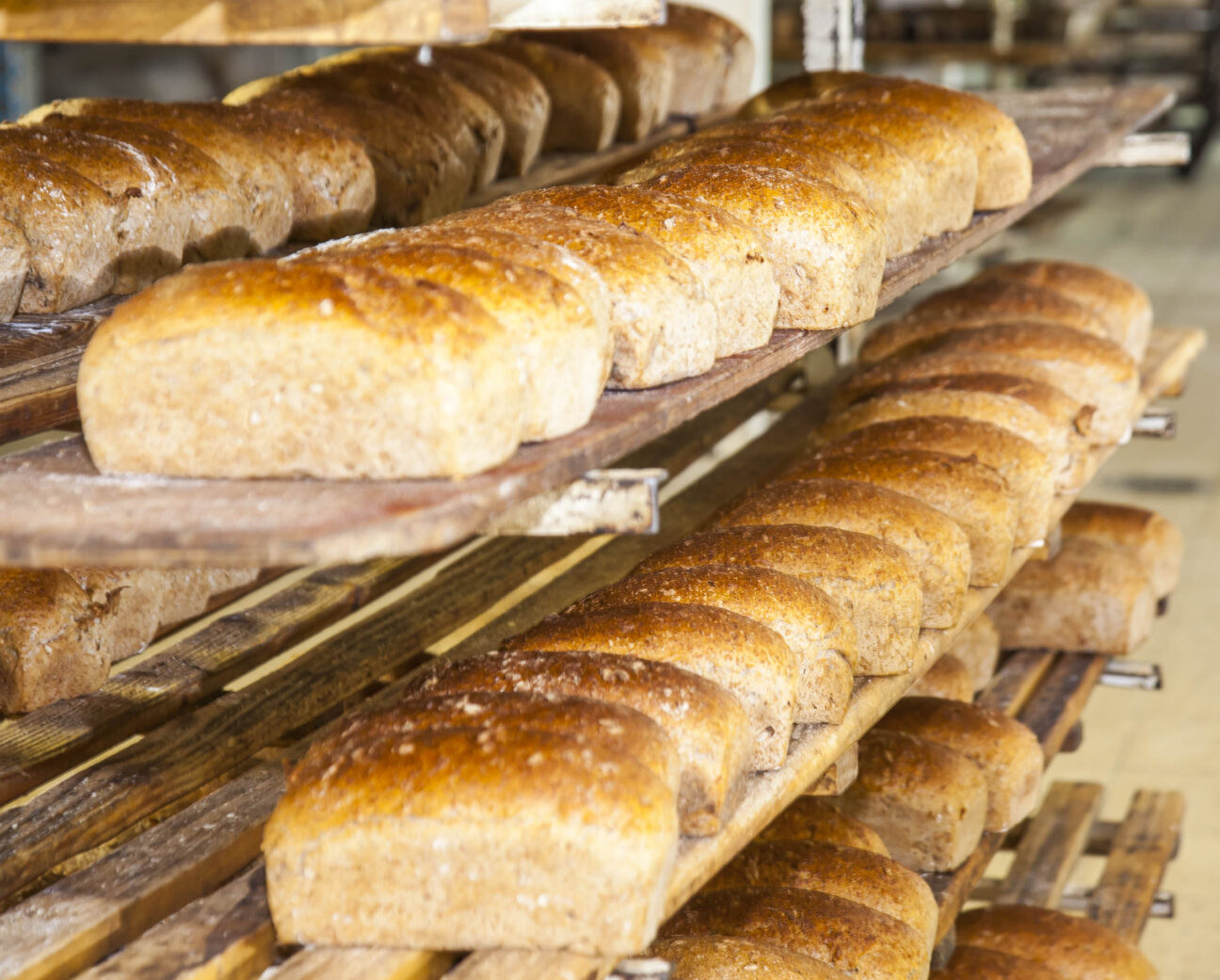
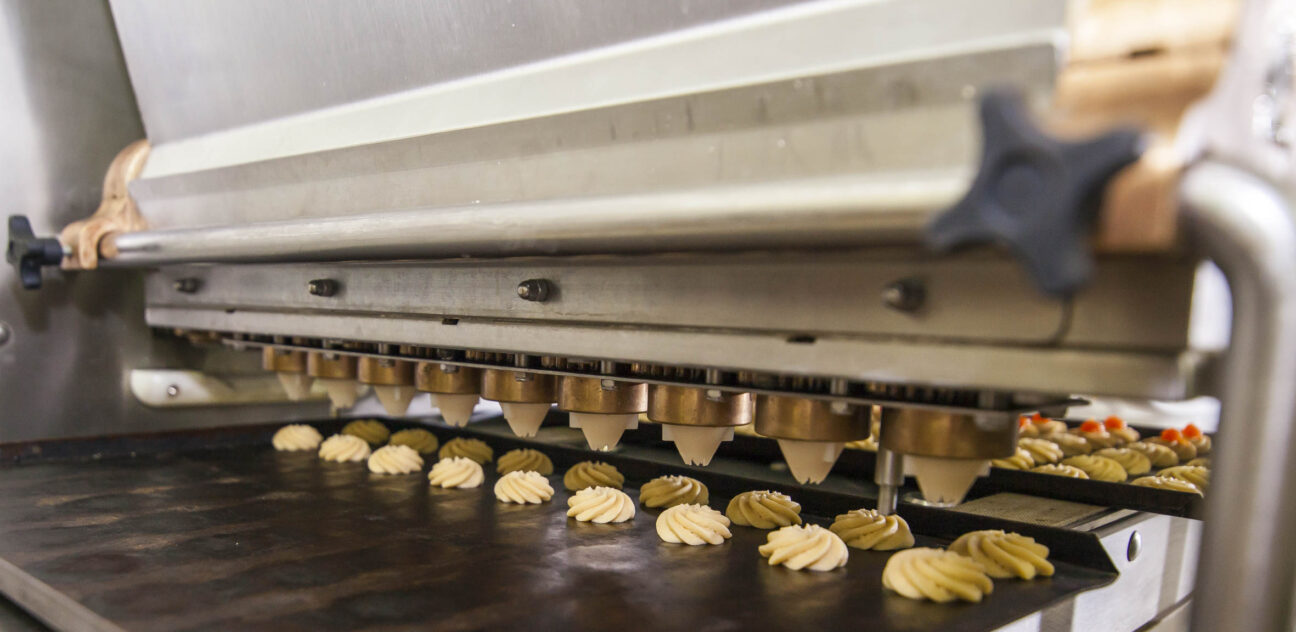
- Food processing (processing and preserving of fish, meat; production of meat products, production of dairy products, processing of fruits and vegetables, production of juices, mineral waters and other beverages, production of bakery products, production of confectionery products, production of alcoholic beverages and beer);
- Production of agricultural machinery (production of assortment for fish farming (e.g. for oxygenation of fish ponds), production of agricultural machinery, production and sale of machinery and production lines for agri-food processing);
- Science and IOB (institutes, departments, laboratories at universities and JBRs, agencies of organizations, associations, clusters, groups of agricultural producers, vocational education).
Warmia and Masuria have the ideal conditions to benefit from the trend in demand for quality foods (including food produced from organic ingredients). More than half of the voivodeship area is farmland (54.71%). In the Warmia and Masuria Voivodeship, there are about 26 thousand small and medium-sized farms providing natural, traditional and organic food based on their own raw materials. The network is expanding dynamically – currently, every 11th organic farm in Poland is located in the Warmian-Masurian Voivodeship (2nd place in the country), and almost 15 percent of agricultural crops, covered by the control system in organic farming, are located in our region. Companies producing foodstuffs and beverages enjoy the ecological wealth of Warmia and Masuria – there are as many as 900 such companies in the region. It is the foodstuffs that dominate amongst the goods exported from Warmia and Masuria.
Constant sector growth – through an increase in innovation and the introduction of new technologies – is stimulated by cluster structures operating in the voivodeship, which include dairy and beef producers.
The Warmian-Masurian Voivodeship is one of the biggest poultry meat producers, with turkey meat being the leading export product. Last year the turkey stock equaled almost four million. Dairy products and fruit and vegetable preserves, not only bought in Europe, are also a recognizable brand abroad.
At present, regional agricultural traditions and favorable natural conditions for the development of agriculture and fishery, with adequate scientific and research facilities, allow for building a network of large food production cooperators. The existing food producers guarantee agricultural producers and breeders a stable market for their supplies.
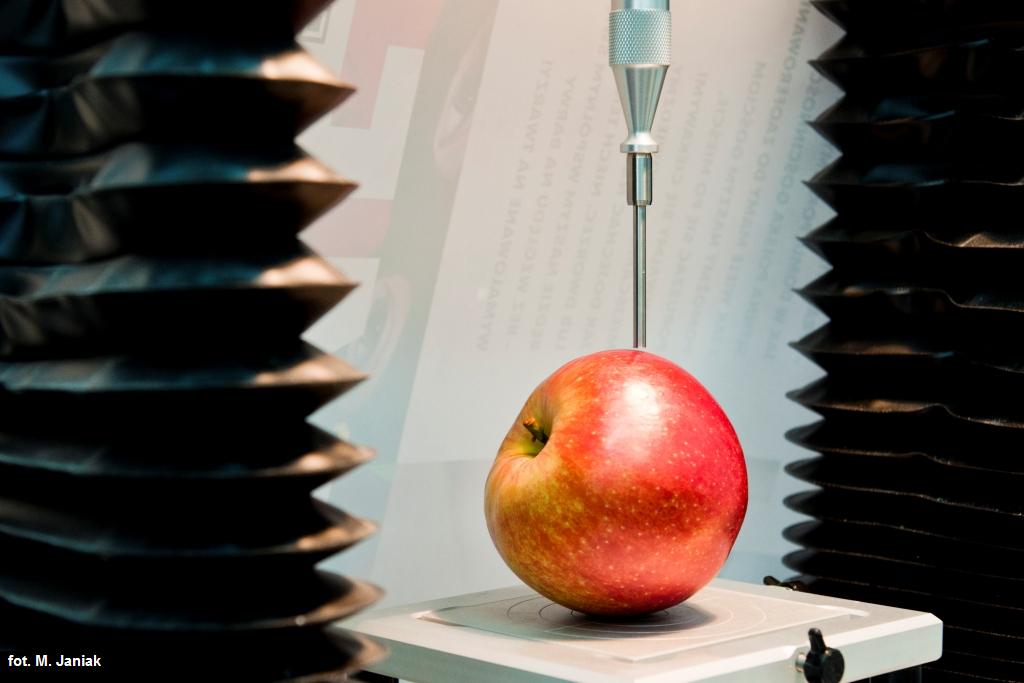
In addition, the growth of the specialization is influenced by a very strong food production scientific base developed by the region, that now attains considerable international results and is also the scientific and research backup for many entrepreneurs. Presence of expert scientific institutions and test and research institutes and their research results used by businesses throughout Poland. These include the Institute of Animal Reproduction and Food Research of the Polish Academy of Sciences – one of the leading scientific institutions of the region, the Inland Fisheries Institute, as well as the Dairy Research and Development Center, the Nutri-Bio-Chemical Center, and the Center for Research of Natural and Traditional Food at the University of Warmia and Mazury. The University of Warmia and Mazury educates future food technologists.
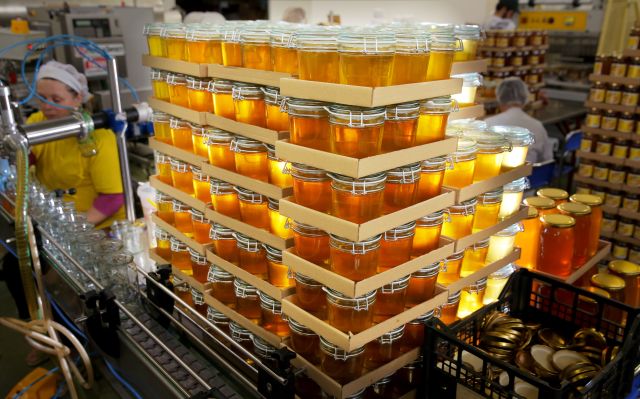
The largest investors in the food industry that have made investments in Warmia and Masuria are the American meat producer Smithfield Food (Morliny-Ełk, Ekodrob Iława), and Heineken (a Dutch brewery). Indykpol (Olsztyn, producer of turkey meat and processed goods), Mazurskie Miody (Tomaszkowo, bee products), Polmlek Group (Lidzbark Warmiński, producer of milk and dairy products), and Tymbark (Olsztynek, producer of juices and still drinks) are also active in the region.